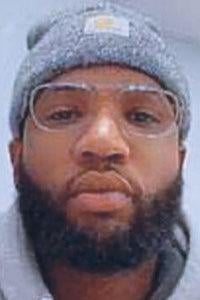

On the first day of his new job, Jeromie Lewis stopped to help a motorist stranded on Interstate 65. The broken down pickup truck was flanked by traffic on all sides except the front.
Construction on the interstate had slowed travelers to a crawl, which prevented Lewis from pulling in behind the truck like he had been trained to do.
It was May 2005, and the Safety Assistance for Freeway Emergencies patrol - better known as the SAFE patrol - had just started in Kentucky. Lewis was one of the first employees to go to work for the pilot program and he was patrolling that day with his supervisor and one other worker.
On that particular spring day, one thing led to another and, before long, the trio of state workers found out that the truck that they were trying to help had been stolen.
Fortunately, the situation ended with the thieves being arrested and Lewis and the crew going on with their day.
It might have been a rough start to his new job, but that didn't stop Lewis from continuing on with the pilot program and now working in a permanent position with the patrol.
"I love helping people," he said. "We help people from all over the U.S. and even other countries."
The SAFE program employs workers who patrol the interstates and parkways in Kentucky looking for stranded motorists, accidents and debris in the roadways. When they spot someone needing help, they pull over and try to assist or in the case of debris in the road, they simply remove it. If they come upon an accident scene, they can render basic first aid until more help arrives.
Lewis and the other drivers are now equipped with trucks instead of vans. The trucks with a box on the back are loaded with a variety of items ranging from first aid and tire jacks to bottles of water.
All the trucks have CB radios, which Lewis said have become the most common way that drivers find out about stranded motorists. Their biggest source of information about motorists needing help and debris in the roadway are tractor trailer drivers. They also stay in contact with county maintenance crews.
Once a stranded motorist is spotted, a particular process must be followed, Lewis said, for the safety of the patrol drivers. The truck pulls in behind the motorist, calls the license plate numbers in to Frankfort as well as the location of the vehicle.
They must then wait for approval before the vehicle is approached. A worker in Frankfort runs the license plate number to make sure that the vehicle isn't stolen before the driver approaches the motorist.
The trucks used for the program have very specific characteristics so that a stranded motorist would know that they are official. Lewis and the other workers would only be in the trucks used for the program.
The trucks are white and have the words "SAFE patrol" on the side of the box. (See accompanying photo.) Also, they all have the words Kentucky Highway Assistance emblazoned in reverse letters on the bug guard on the front of the vehicle. The words are written in reverse so that they can be read from the rearview mirror of the motorist in need.
All the members of the crew also wear a tag identifying them as a Department of Transportation employee.
The SAFE patrol crewmembers must undergo a background check, testing and an interview with a three-member panel before they are hired for the positions, Lewis said.
He and the other workers are all trained in a variety of skills in order to have the jobs with the SAFE patrol program.
Patrol workers can change a tire or provide gas, oil, water or antifreeze as well as other items. The trucks are also equipped with items including shovels, fire extinguishers, blankets, jumper cables and flash lights.
Lewis and the other drivers have the knowledge to perform minor mechanical work on a vehicle; but if there is a major problem, they will have to call for a wrecker.
If the driver doesn't have the money for a wrecker service, then they can be transported to the nearest exit.
"We stay there until they can get transportation or until a wrecker gets there," he said. "We don't abandon anyone out there."
If the SAFE patrol crews come upon an accident or find someone with a medical problem, they can help with that, too. All of them are trained as first responders, Lewis said.
They must know CPR and first aid and all the trucks are equipped with AED defibrillators.
Lewis said that they can help to stabilize a patient until the ambulance or fire department arrives. During a wreck, the patrol drivers may handle traffic control while police, EMTs and fire departments take care of the accident.
The program has proven to be popular with stranded motorists. Lewis said that they have not received any negative comments. Lewis and the other crewmembers are not allowed to accept any money or gifts for their assistance, but they do give out comment cards to all of the people they help.
"We get a lot of good comments," Lewis said. "People say that they are glad to see their tax going to good use."
The patrol made more than 6,000 stops between Sept. 30 and Nov. 30, he said.
"We stay pretty busy," the driver said.
The SAFE patrol crews monitor the Blue Grass Parkway, Western Kentucky Parkway and Interstate 65 in the District 4 region, which is headquartered out of Elizabethtown.
All of the crews patrol the highways seven days a week from 6 a.m. to 10 p.m. The patrols are on the roads 365 days a year.
To request assistance from the SAFE patrol for a stranded motorist, call (877) 367-5982.
- Teresa Rice is a writer for The LaRue County News Herald. She can be reached at manager@kvnet.org.
Add new comment
Read and share your thoughts on this story